
Höchster Datenschutz.
Geprüft durch den TÜV Saarland.


























Höchster Datenschutz.
Geprüft durch den TÜV Saarland.






















Dermatologist’s guide
Here you can find important information about dermatology – for example, what sub-specialties there are, what problems the dermatologist can help you with online and how the most common skin diseases are treated.
Abstract
- The dermatologist – more precisely: the doctor for skin and sexually transmitted diseases or dermatology and venereology (from Venus, the Roman goddess of love) – deals with the structure and diseases of the skin, mucous membranes, subcutaneous tissue, nails, hair, genitals and sexually transmitted diseases.
- Dermatologists are responsible for the early detection, treatment, curing and aftercare of skin and sexually transmitted diseases.
- Frequent skin abnormalities are allergies, neurodermatitis, psoriasis, acne, tumors, fungal infections (mycoses).
- Common sexually transmitted diseases include chlamydia, gonorrhea, syphilis and genital herpes.
- Dermatology is divided into various sub-areas, including allergology and aesthetic dermatology as well as dermatooncology (treatment of skin cancer) and proctology (treatment of diseases of the rectum).
- With around 2,000 diagnoses, dermatology is an extensive specialty for the treatment of women and men of all ages.

Definition of dermatology and venereology
The skin is the most versatile organ in the human body and fulfills vital functions. Around 2,000 specialist diagnoses make dermatology and venereology more comprehensive than almost any other medical specialty.
The domain is the treatment of non-infectious skin diseases such as eczema or psoriasis, common infectious skin diseases such as shingles or herpes and finally sexually transmitted diseases, including the treatment of genital warts.
Further medical training in the field of skin and sexually transmitted diseases takes five years, after successfully completing the examination at the State Medical Association, dermatologists take care of
- to maintain skin health in the context of prevention, early detection, aftercare and rehabilitation
- to treat and heal corresponding diseases, including those of the mucous membranes close to the skin and skin appendages such as hair and nails.
In October 2020, there were 8,339 doctors specializing in skin and sexually transmitted diseases in Germany, 6,223 of whom were employed.
Sub-areas
Skin abnormalities are divided into different sub-areas, large areas are the
- Oncological dermatology: prevention, treatment and aftercare of skin cancer. Skin cancer screening as a statutory early detection examination has led to tumors being detected earlier and treated more effectively
- Allergology: identification, progression and treatment of allergies
- Pediatric dermatology: Dermatology of children’s skin
- Aesthetic dermatology: anti-ageing treatments (e.g. wrinkle injections, skin tightening), microneedling for scar therapy (e.g. after chemical burns), “vampire lifting” or tattoo and hair removal, as well as skin corrections after organ transplants
- Phlebology: examination, prevention, treatment and rehabilitation of venous diseases, especially of the legs, e.g. varicose veins, spider veins
- Proctology: treatment of diseases of the rectum, e.g. irritable bowel syndrome, hemorrhoids, fissures, fistulas
Common diseases
The field of dermatologists and venereologists is considered to be particularly varied and demanding. The skin can develop a wide variety of diseases caused by no less diverse triggers – from herpes and sunburn to psoriasis and tumors. The following overview shows you the most common diseases:
Common diseases
| Description | Symptoms | Causes | Treatment option | |
|---|---|---|---|---|
Allergies |
Immune reaction of the skin, subcutaneous tissue, mucous membranes close to the skin and nails triggered by allergens |
|
|
Measures for hyposensitization |
Neurodermatitis (atopic eczema) |
Chronic inflammatory skin abnormality |
|
|
Medical and mostly therapeutic measures for psychosomatic complaints |
Psoriasis |
Chronic inflammatory disease of the skin and joints |
|
|
Medical therapy by the dermatologist, taking into account the patient’s psychological or psychosomatic complaints |
Herpes |
Skin changes caused by herpes simplex viruses (HSV) | Painful and/or itchy blisters, especially on the lips, but also in the genital area, on the eyes and nose | Type 1 HSV | Treatment by a doctor is particularly necessary for genital herpes |
Acne |
Inflammatory or non-inflammatory skin disease of varying severity with blackheads (comedones), pustules and/or papules. Affects adolescents in particular. While acne often heals by the end of puberty, 40 percent of those affected continue to suffer later on |
|
|
Individual therapy by the dermatologist |
Pruritus
|
Itching in the area of the skin or mucous membrane, on one part of the body or the whole body, with or without visible skin changes |
|
Broad spectrum of dermatological, internal and hormonal causes, e.g.
Various medicines, e.g.
|
Finding the causes before therapy |
Eczema |
Collective term for scaly, itchy inflammation of the epidermis, which can be more or less extensive | Dry, scaly, reddened, swelling, sometimes weeping skin lesions. Subdivision into contact eczema and eczema as an excessive immune response |
In any case: excessive immune reaction against allergens |
|
Warts |
Unsightly and often painful skin growths that may be contagious | Formation of small or large papules on the epidermis, especially on the hands and feet, face and genital area |
|
|
Skin cancer |
Malignant changes to the epidermis, known as “black skin cancer” (malignant melanoma) or “white skin cancer”(basal cell carcinoma) | Itchy, weeping or scaly local skin changes, spotting, late-appearing “moles”, but also other skin spots that grow rapidly |
|
The therapy depends on the tumor type, stage, age and general state of health and includes surgical removal and, if necessary, further treatment |
Burns |
Major burns or scalds of at least 2nd degree with deep damage to the epidermal tissue |
|
Gradual damage to the epidermis due to heat up to tissue necrosis | As burns can become infected if not treated properly, the dermatologist should use appropriate means to treat them |
Hair loss |
Progressive loss of scalp hair caused by hormones or age, but also by skin fungi |
|
|
The dermatologist first identifies the causes and then suggests therapies to curb or slow down hair loss |
Diseases of the fingernails and toenails |
Pathological changes to the nails with discoloration or keratinization | The nails thicken, turn yellow, keratinize, become chapped, have white or brown spots, dark stripes, splinter, are brittle and crumbly, curl and can peel off |
|
First determine the cause, followed by treatment, for example with fungicides for nail fungus |
Sexually transmitted diseases |
Changes to the skin or mucous membranes, not just on the genitals | Depending on the disease: changes to the skin and mucous membranes, pustules or eczema, which may subside again | Transmission of bacteria or viruses through unprotected sexual intercourse | As the disease-related changes are not clearly pronounced in all those affected, treatment may be based on other symptoms, e.g. with antibiotics |
Scars and tattoos |
Disfiguring or painful skin changes/types of scars or tattoos |
|
Scars as a result of e.g. accidents, operations, burns, infections | Gradual, sometimes multi-stage removal of scar tissue and tattoos by specialized dermatologists |
-
Allergies
- Description
- Immune reaction of the skin, subcutaneous tissue, mucous membranes close to the skin and nails triggered by allergens
- Symptoms
-
- Skin changes
- Redness
- Itching
- Shortness of breath or swelling of the skin, throat, eyes
- Causes
-
- genetic
- Environmental factors
- Diet and lifestyle
- Hygiene hypothesis (understressed immune system in the low-germ environment of Western households)
- Vaccinations, medication
- Therapy option
- Measures for hyposensitization
-
Neurodermatitis (atopic eczema)
- Description
- Chronic inflammatory skin abnormality
- Symptoms
-
- dry, scaly and reddened inflammatory changes to the skin
- weeping rashes
- severe itching
- Causes
-
- Genetic disorder of the skin’s barrier function
- Hygiene hypothesis (see Allergies)
- Therapy options
- Medical and mostly therapeutic measures for psychosomatic complaints
-
Psoriasis
- Description
- Chronic inflammatory disease of the skin and joints
- Symptoms
-
- Raised and reddened areas of skin covered with silvery-white scales (plaques)
- The plaques are bordered by a red border
- Causes
-
- Genetic predisposition in combination with stress or other strains
- Errors in the immune system’s defense reactions
- The autoimmune disease suggests an injury to the patient’s own tissue and stimulates excessive skin regeneration
- Therapy option
- Medical therapy by the dermatologist, taking into account the patient’s psychological or psychosomatic complaints
-
Herpes
- Description
- Skin changes caused by herpes simplex viruses (HSV)
- Symptoms
- Painful and/or itchy blisters, especially on the lips, but also in the genital area, on the eyes and nose
- Causes
- Type 1 HSV
- Therapy option
- Consultation with a doctor is particularly recommended for the treatment of genital herpes
-
Acne
- Description
- Inflammatory or non-inflammatory skin disease of varying severity with blackheads (comedones), pustules and/or papules. Affects adolescents in particular. While acne often heals by the end of puberty, 40 percent of those affected continue to suffer later on
- Symptoms
-
- Pimples and pustules, especially on the face, but also on the chest and back, usually during puberty in adolescents
- Differentiation between mild, moderate and severe acne
- Causes
-
- Hormonal awakening during puberty
- Late acne may have other causes and the intolerance of care products must also be checked
- Therapy options
- Individual therapy by the dermatologist
-
Pruritus
(itching) - Description
- Itching in the area of the skin or mucous membrane, on one part of the body or the whole body, with or without visible skin changes
- Symptoms
-
- Mild to severe, persistent or recurring itching
- Causes
- Broad spectrum of dermatological, internal and hormonal causes, e.g.
- Allergies
- Neurodermatitis
- Eczema
- Insect bites
- Diabetes mellitus
- Herpes zoster
- Measles
- Menopause
Various medicines, e.g.
- Antibiotics
- Opiates
- Therapy options
- The search for the causes precedes therapy
-
Eczema
- Description
- Collective term for scaly, itchy inflammations of the epidermis, which can be more or less extensive
- Symptoms
- Dry, scaly, reddened, swelling, sometimes weeping skin lesions. Subdivision into contact eczema and eczema as an excessive immune response
- Causes
-
- Genetic predisposition (endogenous eczema)
- External influences (exogenous eczema) such as food, chemicals
- In addition to metabolic diseases, infections or psychosomatic stress can promote eczema
In any case: excessive immune reaction against allergens
- Therapy option
-
- First, the causes are determined
- The doctor can prescribe soothing, individually prepared preparations (creams, tinctures, ointments, etc.)
-
Warts
- Description
- Unsightly and often painful skin growths that may be contagious
- Symptoms
- Formation of small or large papules on the epidermis, especially on the hands and feet, face and genital area
- Causes
-
- Infection with human papillomaviruses (HP viruses) in the case of plantar warts on the foot or genital warts
- Senile warts are benign tumors and are not caused by viruses. The actual causes are unclear
- Therapy option
-
- Larger warts are surgically removed
- For smaller warts, the dermatologist may recommend solutions for brushing on
-
Skin cancer
- Description
- Malignant changes in the epidermis, known as “black skin cancer” (malignant melanoma) or “white skin cancer”(basal cell carcinoma)
- Symptoms
- Itchy, weeping or scaly local skin changes, mottling, late-appearing “moles”, but also other skin spots that grow rapidly
- Causes
-
- High UV radiation exposure – work-related or due to frequent intensive sunbathing
- Immunodeficiency, e.g. after organ transplantation
- Permanent contact with chemicals
- Treatment options
- The therapy depends on the tumor type, stage, age and general state of health and includes surgical removal and, if necessary, further treatment
-
Burns
- Description
- Major burns or scalds of at least 2nd degree with deep damage to the epidermal tissue
- Symptoms
-
- Redness
- Bubble formation
- Detachment of the skin
- Causes
- Gradual damage to the epidermis caused by heat up to tissue necrosis
- Treatment options
- As burns can become infected if not treated properly, the dermatologist should use appropriate means of treatment
-
Hair loss
- Description
- Progressive loss of scalp hair caused by hormones or age, but also by skin fungi
- Symptoms
-
- “receding hairline” and increasing baldness
- Circular hair loss with atypical placement (alopecia)
- Causes
-
- Genetic predisposition, hormonal imbalance
- Circular hair loss can be triggered by fungal infections and stress
- Treatment options
- The dermatologist will first determine the causes and then suggest therapies to reduce or slow down the hair loss
-
Diseases of the fingernails and toenails
- Description
- Pathological changes to the nails with discoloration or keratinization
- Symptoms
- The nails thicken, turn yellow, keratinize, become chapped, have white or brown spots, dark stripes, splinter, are brittle and crumbly, bulge, can peel off
- Causes
-
- Numerous chronic diseases, e.g. of the liver, lungs, thyroid gland; psoriasis; nail fungus; diabetes mellitus
- Nutrient deficiency, e.g. zinc, vitamin B12, iron
- Age-related keratinization
- Treatment options
- First determine the cause, followed by treatment, for example with fungicides for nail fungus
-
Sexually transmitted diseases
- Description
- Changes to the skin or mucous membranes, not just on the genitals
- Symptoms
- Depending on the disease: changes to the skin and mucous membranes, pustules or eczema, which may subside again
- Causes
- Transmission of bacteria or viruses through unprotected sexual intercourse
- Therapy option
- As the disease-related changes are not clearly pronounced in all those affected, treatment may be based on other symptoms, e.g. with antibiotics
-
Scars and tattoos
- Description
- Disfiguring or painful skin changes/types of scars or tattoos
- Symptoms
-
- Tissue growths on the face and body that are perceived as painful or unsightly
- Old or poorly executed tattoos
- Causes
- Scars as a result of e.g. accidents, operations, burns, infections
- Treatment options
- Gradual, sometimes multi-stage removal of scar tissue and tattoos by specialized dermatologists
Diagnostic procedure
The examination methods used by doctors for skin and sexually transmitted diseases differ depending on the symptoms:
- Visual inspection of the skin surface is the primary diagnostic procedure, if necessary with the aid of a magnifying glass or light microscope. In addition, questions about diet and lifestyle are asked during the medical history interview to obtain initial indications of potential causes.
- Since March 2021, acute and chronic wounds can also be assessed telemedically as part of the initial diagnosis.
- Palpation of the affected areas of skin also helps, as does scraping off scales or crusts on the surface of the skin with a spatula.
- The smell of skin or wound secretions also provides information about possible clinical pictures.
- Changes in the epidermis are first examined, and procedures such as ultrasound(sonography) of the epidermis and subcutis can also be used.
- Sonography can also be used for changes in the lymph nodes.
- In the case of allergic symptoms, epicutaneous tests are carried out by irritating areas of skin on the forearm and back with small amounts of allergens.
- Distinguishing between benign and malignant skin tumors is one of the most important dermatological tasks. With the help of the reflected light microscope, video-controlled digital examination (videoscopy) and, if necessary, microscopic examination of tissue samples, a distinction is made between benign moles, age-related warts, photodamage and other skin changes.
- Other diagnostic methods include the analysis of blood or skin samples and special analyses of hair or nail findings. In many cases, dermatologists do not carry out such analyses themselves, but commission a laboratory to do so.
Skin cancer screening
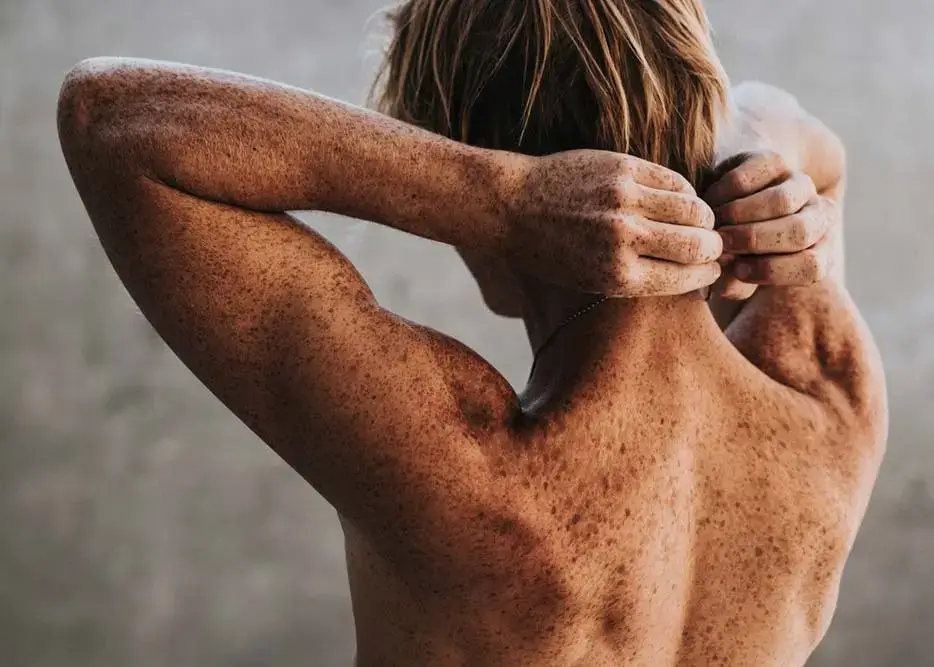
For early detection or if skin cancer is suspected, the dermatologist carries out a skin cancer screening: The skin on the entire body is examined – including the eyes, eyelids, oral mucosa, gums and between the toes.
The examination is uncomplicated and painless, your dermatologist does not need any instruments, just a bright lamp, a few spatulas and his trained eye. If a special incident light lamp with a built-in microscope is used, this is called dermoscopy. The whole procedure takes about 15 minutes.
With around 270,000 new cases every year, skin cancer is the most common cancer diagnosis in Germany. One in seven cases is a dangerous malignant melanoma, or black skin cancer.
Outdoor workers in particular, such as employees in the construction industry, agriculture and forestry, road construction or postal delivery staff, have an increased risk of skin cancer due to the high doses of UV radiation they are exposed to on a daily basis.
However, the greatest danger is for children who spend long periods in the sun without protection. Parents, educators, teachers and many others who act as role models are called upon to make the necessary UV protection part of their everyday routine, i.e. to avoid extensive sunbathing, to seek out shady spots and to routinely use sun cream with the highest possible sun protection factor.
Dermatologists have been drawing attention to this for years and have already achieved success. Since an amendment to the Occupational Health Care Ordinance (ArbMedVV) in 2019, employers in Germany have been obliged to offer their external employees regular occupational health advice and examinations for occupational skin cancer (BK5103). An obligation that many employees are not aware of.
Germany is further ahead than most other European countries when it comes to early detection of skin cancer. This also applies to the skin cancer screening introduced here in 2008, to which those with statutory health insurance from the age of 35 are entitled every two years.
If a suspicious skin change requires a skin sample to be taken, the minor operation is usually the entire therapy – provided the skin change was detected early.
Treatments
The treatment methods in dermatology and venereology depend on the diagnosis, if necessary using modern local anesthetic procedures:
- Pathological changes on the surface of the skin are first diagnosed and then treated accordingly. In the case of psoriasis and neurodermatitis, but also eczema, the patient’s overall health situation is assessed in order to be able to treat not only the superficial symptoms if necessary – diseases of internal organs, metabolic disorders or psychosomatic complaints must also be taken into account.
- Benign, limited changes to the skin can be surgically removed on an outpatient basis using precise laser surgery in addition to traditional surgical procedures. This applies in particular to warts, but also to suspicious moles where the dermatologist fears a malignant change.
- Cosmetic-aesthetic treatments are an ever-growing field of dermatology. The classic repertoire includes the treatment of scars and couperose; the removal of tattoos, spider veins, stretch marks and cellulite; the reduction of wrinkles by injecting hyaluronic acid and botulinum toxin-A (Botox) or eyelid corrections.
- In the case of allergies, hyposensitization is carried out depending on the extent of the symptoms: Small amounts of the allergen are administered until a habituation effect (tolerance) occurs.
If necessary, the dermatologist will advise you on optimal skin protection against the sun, cold and other environmental influences, adapted to your skin type.
Not every dermatologist offers the full range of treatments. When choosing a doctor, you should therefore consider whether he/she has the specialization that is important for you and has a modern operating room with an ECG monitor and measurement of pulse, blood pressure and oxygen saturation, among other things.
Thanks to the interdisciplinary nature of the practice with general practitioners, internists, cardiologists and emergency physicians, it should also offer highly professional care in every situation.
Special features for children
Children’s sensitive skin needs special attention. Little ones can quickly develop diaper eczema or suffer from cradle cap on the scalp. Care, nutrition, possible allergies and organic diseases all play a role here. Specialized paediatric dermatologists are the right address for parents.
Questions & Answers
What costs are covered by health insurance?
Consultations with a dermatologist are part of the range of services covered by statutory and private health insurance. There may be co-payments, for example for over-the-counter medication and for individual health services (IGel) such as computer video documentation of moles and the use of an incident light microscope for skin cancer screening.
How quickly can I get an appointment with a dermatologist?
The waiting time for an appointment with a dermatologist is more than three weeks in a third of cases. If you need help quickly, you can also use our skin photo check or birthmark check and get a quick diagnosis.
Do I need a referral from my family doctor?
Since 2013, referrals to a dermatologist are no longer necessary; there is a free choice of doctor, even for those with statutory health insurance. However, you should still consider being referred if the diagnosis and subsequent treatment of a disease is no longer solely in the hands of the dermatologist, but other specialists need to be consulted – because organic diseases or metabolic disorders are suspected.
When should I see a dermatologist?
In general, the following applies whenever the skin shows changes that do not disappear even after changing previous habits – for example when it comes to cosmetics. The same applies to dandruff, spots, discoloration, bleeding moles, fungal infections (mycoses) of the hair, nails or mucous membranes, itchy, tight or painful skin.
Sources
- https://www.derma.de/de/fuer-patienten/hautkliniken/deutschland/
- https://www.bundesaerztekammer.de/aerzte/gebuehrenordnung/goae-ratgeber/abschnitt-f-innere-medizin-kinderheilkunde-dermatologie/digitale-diagnostik/
- https://www.tk.de/techniker/magazin/digitale-gesundheit/online-videosprechstunde-2010644
- https://www.hautarzt-hinrichs-koeln.de/leistungen/kinderdermatologie/
- https://www.aerzteblatt.de/archiv/187343/Dermatologie-Mit-Fingerspitzengefuehl-ohne-Beruehrungsaengste
- https://aerztestellen.aerzteblatt.de/de/redaktion/facharzt-weiterbildung/facharzt-weiterbildung-haut-und-geschlechtskrankheiten
- https://www.bvdd.de/aktuelles-presse/newsroom/pressemitteilungen/details/hautkrebs-jeder-kann-sein-risiko-selbst-beeinflussen-1/
- https://www.bvdd.de/aktuelles-presse/presse-newsletter/details/dermatologen-definieren-erstmals-qualitaetsstandards-fuer-die-telemedizin-1/