

Your family doctor online
Schnelle Termine. Jederzeit – Tag und Nacht.

Kostenübernahme durch alle Krankenkassen und Versicherungen

Höchster Datenschutz.
Geprüft durch den TÜV Saarland.













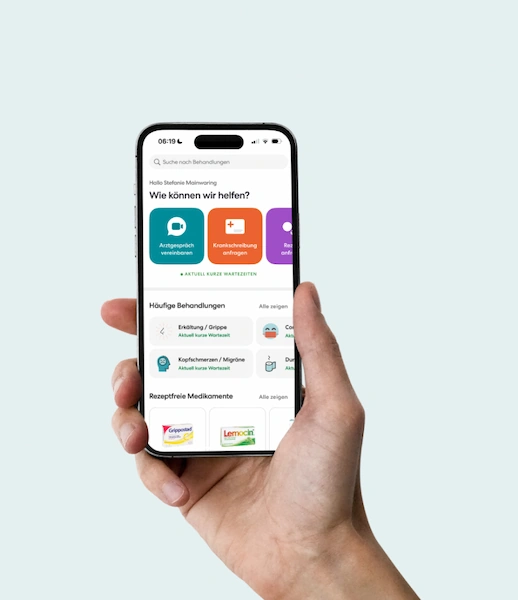


Your family doctor online
Schnelle Termine. Jederzeit – Tag und Nacht.
Höchster Datenschutz.
Geprüft durch den TÜV Saarland.

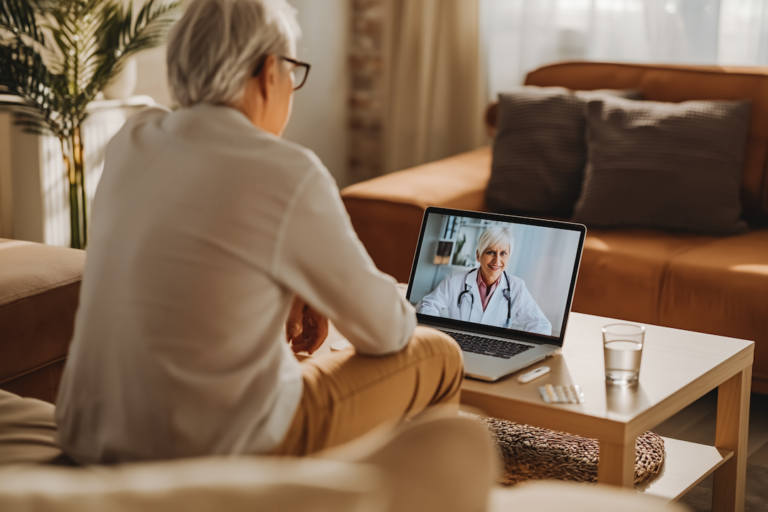
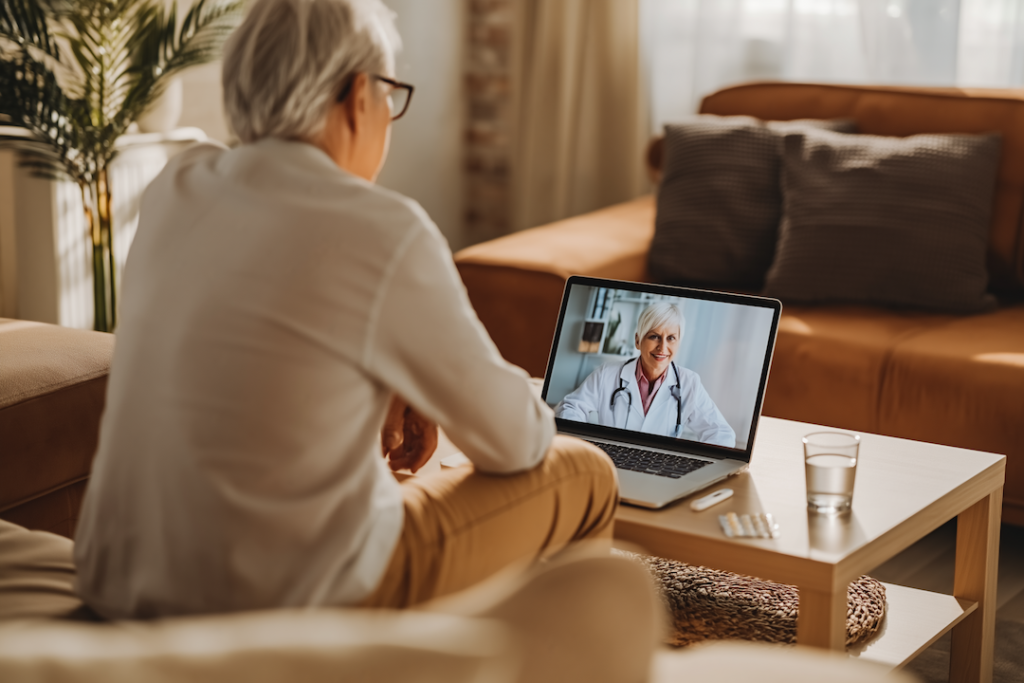
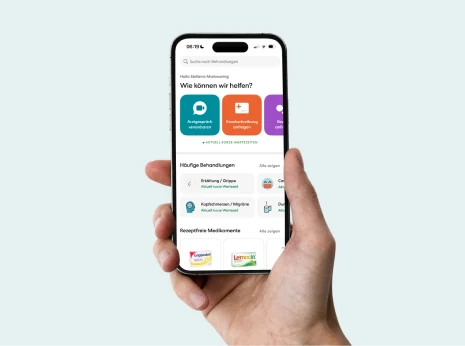
With digital doctor's appointments, TeleClinic allows you to focus on recovering in your own bed when you are ill, rather than having to sit in a waiting room.
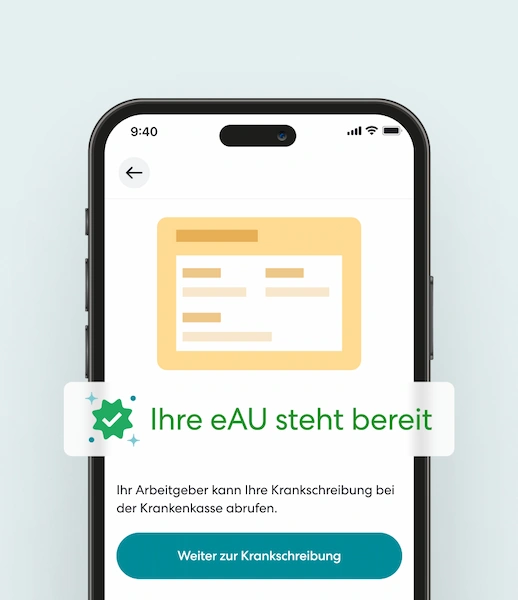
It is particularly convenient that the sick note is available directly in the app. It is also a relief that the prescription can be sent to a pharmacy of your choice.
It's quick and easy to speak to a doctor. For any future reasons for using telemedicine, I will definitely use TeleClinic again. Thank you!
I particularly liked the fact that it took less than two hours and I had my prescription, including app download, registration, login and doctor contact. Thank you very much!
Great. Super easy, no fuss. It saves a lot of time and hassle around doctor's appointments. I'll be using it more often now.
You don't have to leave your bed when you're already feeling unwell, and you don't infect anyone on the way to the doctor or in the waiting room. I think that's great!
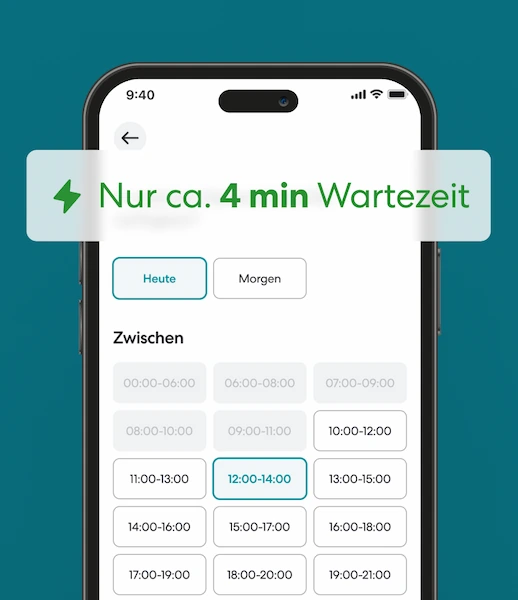
Availability during off-peak hours – quick accessibility within a few minutes

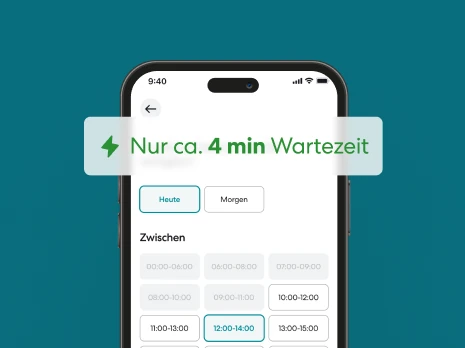
Nur ca. 4 Min. Wartezeit
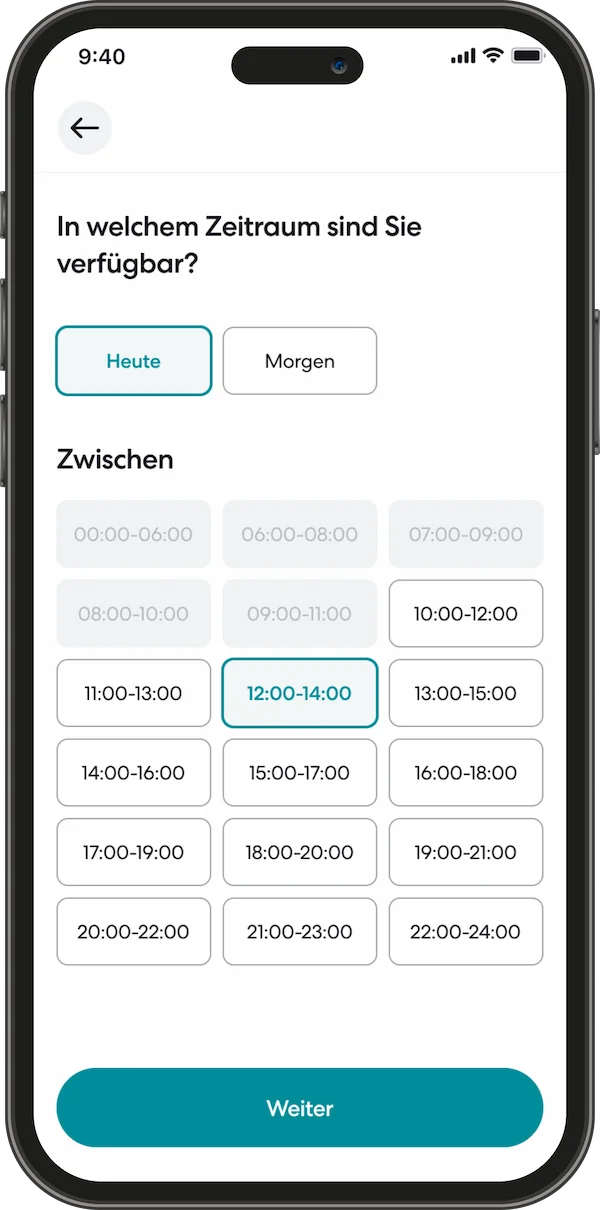

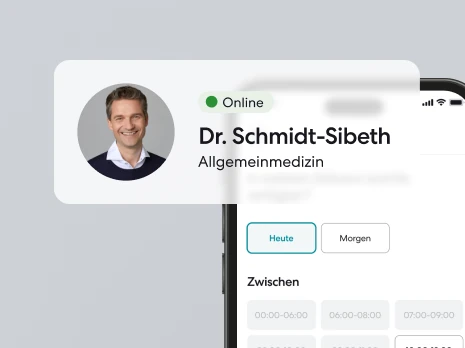
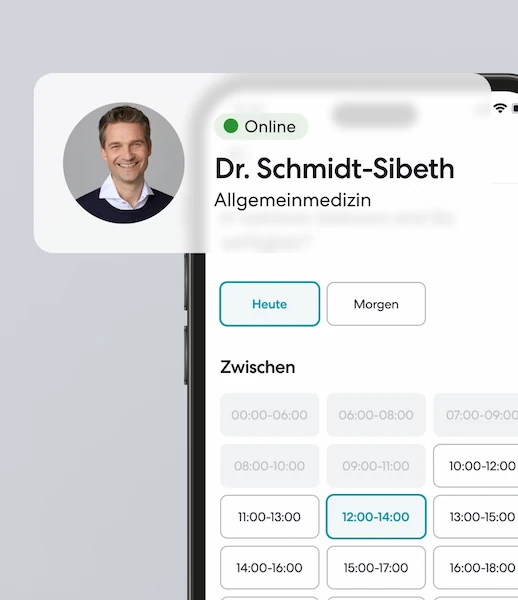
Select desired date
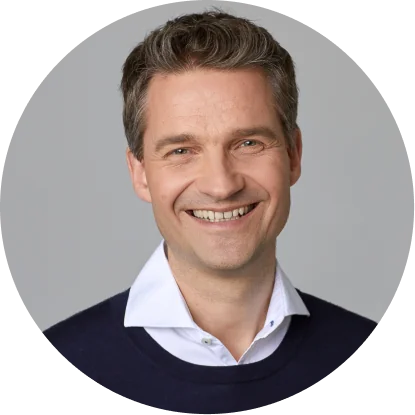
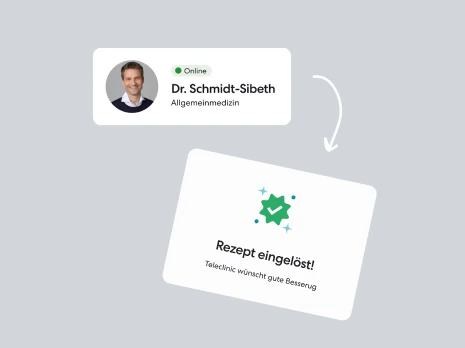
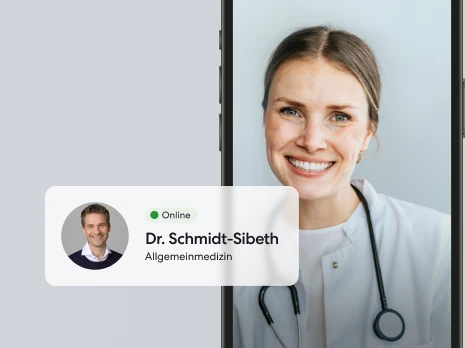
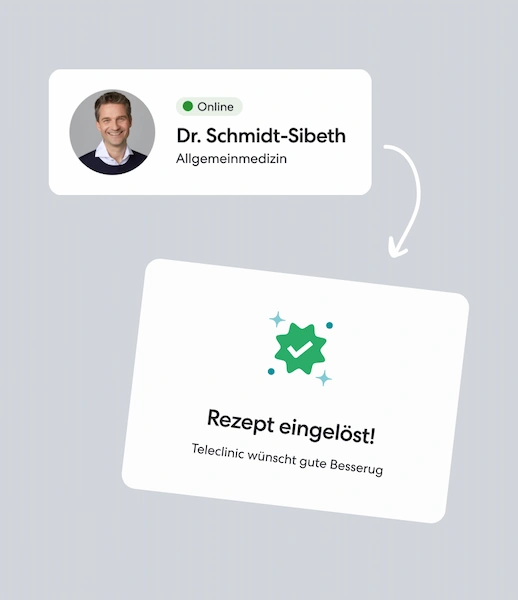
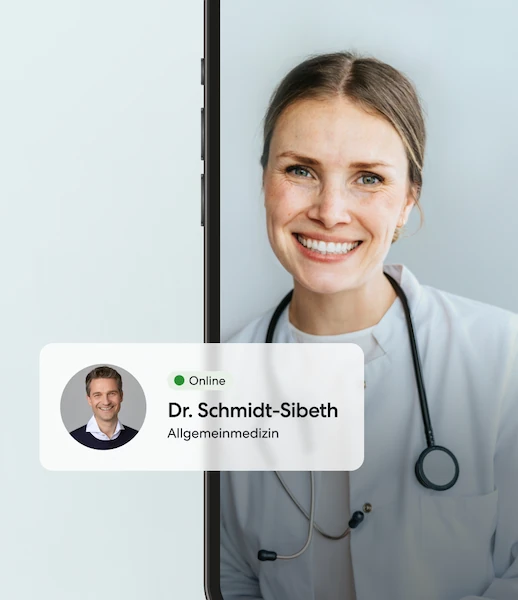
Online
Dr. Schmidt-Sibeth
Allgemeinmedizin
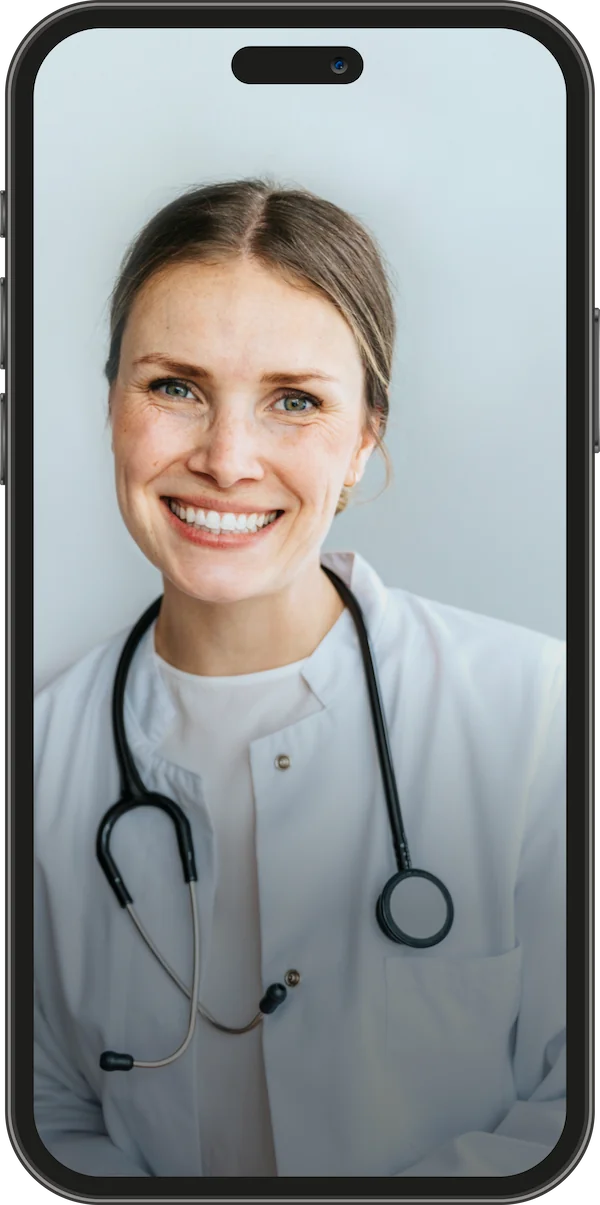

Speak to your doctor directly online

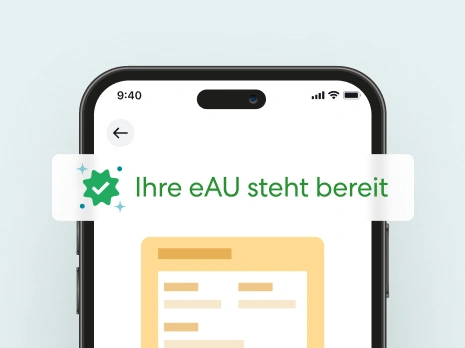
Ihre eAU ist abrufbereit


Redeem recipe
Jetzt Terminverfügbarkeit prüfen
Schnell den Namen deiner Krankenkasse oder Versicherung eingeben und sofort den nächsten freien Termin prüfen – einfach, schnell und ohne Wartezeit!



app downloads
Frequently asked questions
Will the costs be covered by my health insurance or other insurance?
What do I need to bear in mind with electronic prescriptions or sick notes?
Where can I redeem my prescription?
How long do I have to wait?
How does the digital doctor's appointment work?





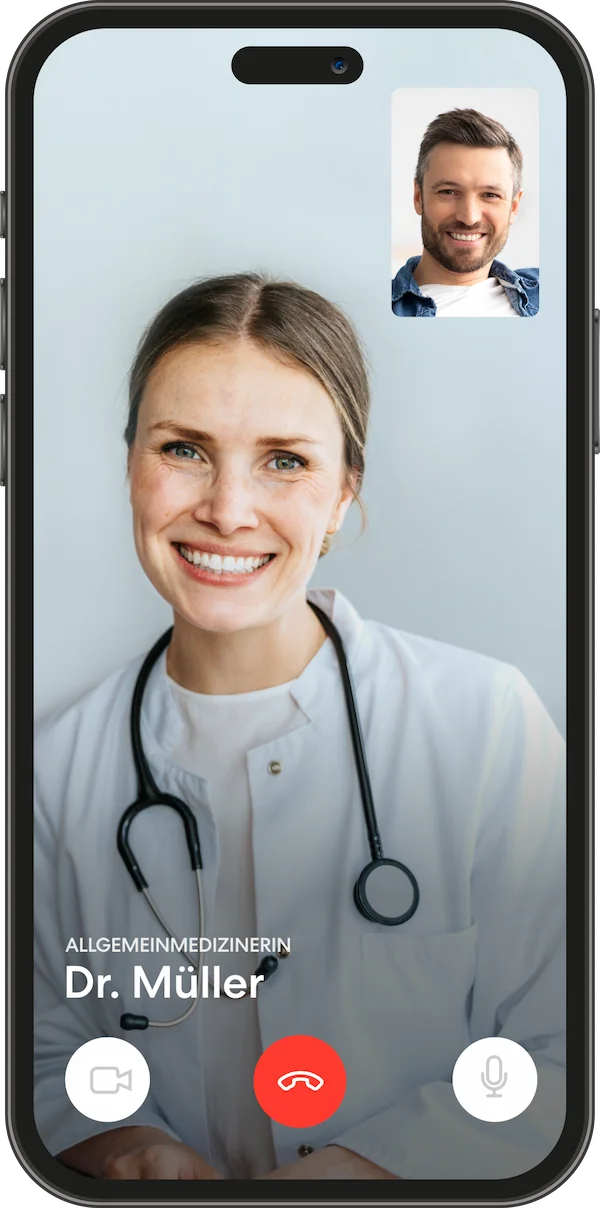
Get to know the doctors treating you
All doctors treating patients via TeleClinic are based in Germany and are committed to providing the highest quality of care. They are always available to assist you with general and specific medical enquiries.
The reviews shown have been checked for authenticity by TeleClinic prior to publication and come exclusively from people who have used the TeleClinic platform for treatment. The reviews were obtained as part of a user survey and were selected based on their relevance at the time of evaluation.

GP guide
General practitioners play a central role in healthcare: They are the number one point of contact for most physical and psychosocial problems. Accordingly, they offer a comprehensive range of treatments. GPs often accompany the whole family – even in crisis situations and throughout their lives. Everything you need to know about general practitioners.
Abstract
- General practitioners are the first point of contact (primary care physicians) for health problems; they do not work in an organization-centric way, but specialize in the whole person in their social, family and cultural environment.
- The “personal family doctor” is an important person of trust for almost 100 percent of patients in Germany, often for life or even for generations.
- A GP doesn’t have to be able to do “a bit of everything”, on the contrary: general practice and internal medicine are just as demanding as specialized high-tech medicine.
- In addition to their main role as primary psychosomatic care providers, GPs also provide care during individual episodes of illness, issue sick notes and certificates of incapacity for work, carry out vaccinations, make home visits and support their patients in makinglifestyle changes.
- If necessary, GPs cooperate with doctors and numerous other disciplines.
- General practitioners ensure care close to home with little effort.
General practice is family medicine
After studying human medicine, further training in general medicine includes acute and long-term treatment, prevention and rehabilitation of a patient’s physical and mental problems with a view to their biography, family, domestic and cultural environment – if necessary in trusting cooperation with other doctors.
In the role of general practitioner, a doctor of general practice – or internal medicine – has the following areas of activity, among others:
- General ongoing basic psychosomatic care for the patient, taking into account special life events
- Comprehensive coordination of all diagnoses, therapies and care measures in consultation with doctors
- Complete documentation of all treatment data, findings and reports from own and other specialist activities – including outpatient and inpatient treatment
- Preventive and/or rehabilitative measures, integration of non-medical assistance and accompanying services – e.g. vaccinations, therapeutic gymnastics, spa stays
Around 44,900 GPs were the first port of call for patients in Germany in 2020. However, the number of GPs is declining, as many medical students are not interested in the role of GP – especially not in rural areas.
Additional qualifications
If necessary, the GP will refer the patient to a specialist, although they may have specialized training or further training themselves. The classic additional qualifications include
- Ultrasound medicine: Examination of organic tissue using a so-called transducer and imaging techniques.
- Alternative or complementary medicine: Includes a broad spectrum of treatment methods beyond conventional medicine, for example acupuncture, homeopathy, osteopathy, traditional Chinese medicine, Kneipp therapy.
- Tropical medicine: prevention, detection and treatment of diseases from tropical and subtropical climate zones and their “import” into non-tropical countries.
- Geriatrics: Treatment of acute and chronic diseases in advanced age.
- Palliative care: Care for the seriously ill and dying with the aim of alleviating the consequences of the illness and improving quality of life when there is no longer any prospect of a cure.
The most common topics in everyday practice
General practitioners are the first point of contact for health problems; they do not work in an organization-centric way, but specialize in the whole person in their social, family and cultural environment. The work of GPs is correspondingly varied. As GPs work in practices and emergency services, they must be familiar with the whole range of possible illnesses, even if they ultimately refer a patient to a specialist or initiate inpatient treatment.
The most common diseases in everyday practice are
| Disease | Description of the disease | Symptoms | Possible causes | Possible therapy |
|---|---|---|---|---|
| Colds | Diseases of the upper respiratory tract |
|
Rhino- and coronaviruses |
|
| Influenza | “Real” flu, caused by viruses, sometimes accompanied by secondary infections caused by bacteria; may be life-threatening for weakened or elderly patients or children |
|
Influenza viruses | Prevention through influenza vaccination; treatment includes relief of symptoms, especially in the case of high fever, possibly additional antibiotics for secondary bacterial infections |
| Back pain | Acute or chronic pain conditions in the area of
|
Pain either during movement or at rest |
|
Is based on the findings and takes the patient’s living environment into account |
| High blood pressure(hypertension) | Significantly increased upper and lower blood pressure values |
|
|
Change of lifestyle, more exercise, healthy diet and stress reduction, additional medication if necessary |
| Low blood pressure (hypotension) | Blood pressure values that are significantly below the mean value of 120/80 mmHg. |
|
Can occur in otherwise healthy people of normal weight, but can also be a sign of heart failure |
|
| Stomach ache | Persistent or acute pain in the abdominal organs (stomach, intestines, gall bladder, urinary tract) | Dull or stabbing, sometimes cramp-like pain |
|
Diagnosis can be facilitated by analyzing a stool or urine sample or by ultrasound, and possible therapies are based on the findings. |
| Disorders in fat metabolism(hypercholesterolemia) | Impaired fat metabolism with particularly high levels of LDL cholesterol | There are no symptoms at first; the deposition of excess cholesterol in the blood vessels is not noticed by the person affected. |
|
Change in lifestyle and eating habits, sport and generally more exercise, in the case of high risk, drug-based therapy to lower cholesterol levels |
| Overweight and obese or underweight |
|
|
|
If organic causes can be ruled out, the therapy must address the psychological factors behind the illness, e.g. addictive behavior. |
| Diabetes mellitus | Metabolic disorders that lead to hyperglycemia in the blood, including type 1 diabetes mellitus with absolute insulin deficiency and type 2 with relative insulin deficiency |
|
|
Insulin administration, supported by a change in lifestyle and dietary habits and oral antidiabetic drugs in the case of type 2 diabetes |
| Coronary heart disease |
|
|
|
|
Since the turn of the millennium, mental illnesses have been on the rise in GP surgeries: Depression, anxiety disorders, addiction problems as consequences of a permanently stressed society in all areas of life, especially in the world of work. GPs are also the first port of call for burnout.
General practitioners also deal with the external care and treatment of injuries, for example minor accidents. General practitioners suture wounds and monitor the progress of wound healing.
With appropriate specializations, GPs are able to offer naturopathic therapies , although the costs are not generally covered by statutory health insurance.
Important person of trust
For almost 100 percent of patients in Germany, the “personal family doctor” is an important person of trust for the whole family, all age groups and genders – often for life or even across generations.
As he focuses on the entire life situation and life path of his patients, the discussion is not only of particular importance during the first contact, but also during the many years of support, which should be beneficial. Ideally, the patient is involved in the treatment and decision-making processes.
It is therefore important that your family doctor takes enough time for you and your concerns.
In addition, GPs are often the first port of call for relatives of the patient seeking help for a family member.
Not every GP offers a wide range of additional services or has comprehensive technical equipment. When choosing a family doctor, it can therefore make sense to opt for a group practice in which general practitioners and internists combine their expertise.
Diagnostics
As GPs are often confronted with initially diffuse complaints that cannot be assigned to a specialty, they often make a diagnosis based on their specialist experience.
First look and conversation
First of all, there is the “first glance diagnosis”. A good GP looks at you holistically, so to speak. Your description of symptoms is compared with patterns that he has already encountered during his career, and finally he selects the most likely diagnosis in view of your health condition, age and profession.
In addition to physical observation and examination, conversation – talking medicine – is the most important diagnostic tool. However, there is often little time to discuss questions and problems. As a patient, you can avoid misunderstandings and errors by asking questions or responding to ambiguities. Communication skills such as listening empathetically, communicating clearly and explaining effectively are now an integral part of medical training and further education. In the field of talking medicine, many things can also be clarified for doctors in the home office via telemedicine.
Physical examinations
- Viewing (inspection) of body parts, for example eyes, skin, tongue
- Listening (auscultation) using the stethoscope to check the sounds of breathing, heart and intestines
- Palpation of areas of the body in the event of pain for important indications, for example enlarged organs and altered tissue structures (lumps)
- Tapping (percussion) of the skin surface to find out about the density and size of the underlying organ and tissue, for example the heart, ribcage or abdomen
Functional tests
- Measurement of blood pressure and pulse
- Analysis of the blood – the so-called small or large blood count
- Examination of urine or stool samples
- Ultrasound (sonography) of the thyroid gland, leg veins, carotid artery, liver, spleen, kidneys
- Doppler sonography for heart disease, strokes, pregnancy
- Gastroscopy (gastroscopy)
- Resting and exercise ECG
- Long-term blood pressure measurements
- Functional diagnostics of the lungs
- Infusion therapy with vitamins and minerals to strengthen the immune system
Preventive examinations
- Cardiovascular check-up
- Skin cancer screening
- Youth protection investigations
- Vaccination and vaccination advice
- Travel medical advice (IGeL)
Sick note
In principle, the GP practice is the first point of contact for sick notes and certificates of incapacity for work. If, for example, you were in hospital because of an emergency, the doctors treating you there are not allowed to write you off sick – this is done by your family doctor or a doctor providing specialist further treatment. It is possible to obtain a sick bill retroactively for up to two days if you were unable to consult a doctor for health reasons. In such a situation, you can also ask a GP online.
Home visits
One area of GP work that is valued by patients is home visits, where acute and chronically ill patients are cared for. GPs can also meet the special requirements of elderly patients or provide palliative care for moribund (dying) patients. Another option is to speak to the GP via video consultation without having to visit the practice. TeleClinic or alternatives are suitable for this.
Questions and answers
What costs are covered by health insurance?
If people with statutory health insurance need help from a GP, the insurance will cover the costs. In individual cases, co-payments may apply, for example prescription fees, costs for over-the-counter medication or for individual health services (IGeL). The services that can generally be billed include annual general health checks such as a blood count or an ECG or EEG. If a specialist needs to be consulted, the GP can make a referral and justify the need to cover the costs.
How long do I have to wait for an appointment with my GP?
You can usually get an appointment with your family doctor within the same week or the following week at the latest without a long wait. If you need an appointment more quickly, you can make an appointment for an online consultation at TeleClinic.
When to see a family doctor instead of a pediatrician?
A “pediatrician” is the family doctor for the little ones, basically a general practitioner with a focus on children and adolescent medicine. Pediatricians treat their patients up to the age of 18 at the most.
Can I change my family doctor and get a second opinion?
In principle, you have a free choice of doctor and can consult any doctor you trust who is authorized to treat you under the statutory health insurance scheme. Exceptions to this are specialist areas that are subject to referral, where other doctors take on a diagnostic and therefore advisory and supportive role, for example cardiologists. A change of doctor is also permitted during the quarter – even if you wish to obtain a second opinion.
Sources
- https://www.hausaerzteverband.de/fileadmin/user_upload/Perspektive_Hausarzt_-_Broschuere.pdf
- https://www.bundesaerztekammer.de/fileadmin/user_upload/downloads/BAeK_Ground_Hausarzt.pdf
- https://de.statista.com/statistik/daten/studie/191814/umfrage/anzahl-der-hausaerzte-in-deutschland/
- https://www.perspektive-hausarzt-bw.de/phnewsblog/weiterbildung-allgemeinmedizin/
- https://www.aerzteblatt.de/nachrichten/70760/Welche-Erkrankungen-niedergelassene-Aerzte-am-haeufigsten-behandeln
- https://www.apotheken-umschau.de/Medizin/Den-Arzt-wechseln-Geht-das-so-einfach-410595.html
- DEGAM_Position_paper_Psychosomatic_primary_care_final

These articles are intended solely to provide you with preliminary information on various topics and are not a substitute for a medical diagnosis. Experienced doctors are available to provide further advice via TeleClinic. We will first assess whether your concern is suitable for a video consultation.
- Last updated: 17. June 2026

Your health is in good hands

Costs covered by all staturory health insurances and insurance companies

Legally valid
sick note
Electronic prescriptions via the electronic health card or
eRezept app
